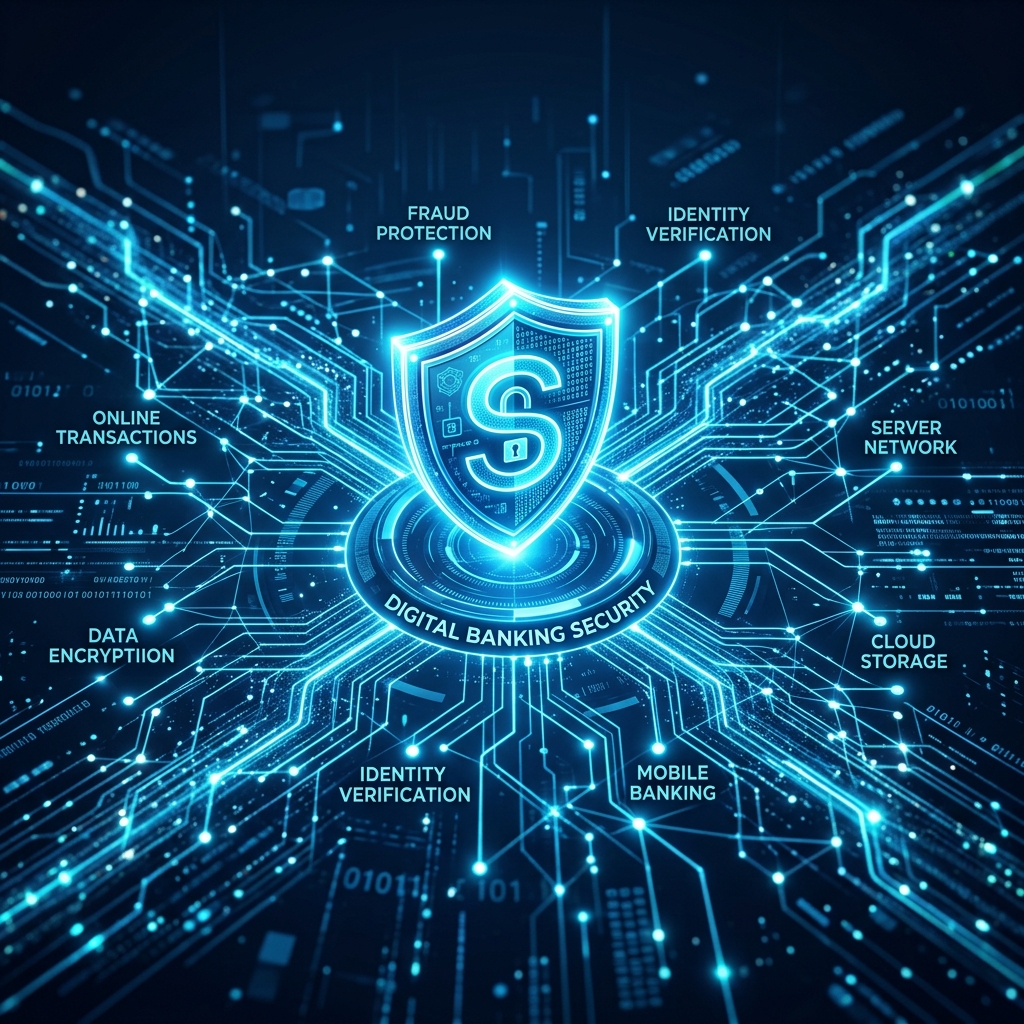
When most of us think of a bank robbery, we instantly picture a Hollywood movie scene: masked gunmen, a ticking stopwatch, and a chaotic getaway car screeching down the street. But in the 21st century, bank vaults hold humming computer servers, not stacks of paper cash. Today's bank robbers operate from laptops half a world away, and they aren't trying to steal physical money, they are trying to steal your highly sensitive financial data to sell it on the dark web or hold the bank hostage with ransomware. Protecting your data from these international syndicates requires an incredibly intense, completely hidden world of federal cybersecurity audits and relentless testing. Here is a look behind the curtain at what your bank is actually doing to keep the digital vault locked tight.
The Dreaded IT Examination
When state or federal regulators (like the FDIC or the OCC) show up to audit a bank, they don't just send in a bunch of accountants to look at loan documents. They deploy specialized, highly trained IT Examiners. These are the government's tech geeks, and they are incredibly thorough. They grade the bank using a massive rulebook known as the FFIEC (Federal Financial Institutions Examination Council) Cybersecurity Assessment Tool.
These examiners dig into everything. They check the bank's server firewalls, verify that all software is aggressively patched and updated, and even audit the employee password policies. If they find out that the bank is slacking, say, a teller was using 'password123' or an old server wasn't updated to block a known virus, the regulators don't just hand out a warning. They issue severe financial penalties, downgrade the bank's official regulatory rating, and in extreme cases of negligence, they can legally force the bank's entire board of directors to step down.
Paying the 'Good Guys' to Break In (Pen Testing)
Smart banks do not wait around for the government to tell them they have a glaring security flaw. Instead, they actively pay companies to try and hack them. This is known as hiring "White Hat" hackers to conduct continuous Penetration Testing (or Pen Testing, for short).
These ethical hackers are relentless. They will spend weeks trying to quietly break into the bank's internal networks from the outside. They will run aggressive phishing simulations, blasting the bank's employees with fake, highly convincing emails to see who accidentally clicks a malicious link. Some banks even pay them to try and physically 'tailgate' an employee through a secure back door into the physical server room just to test the building's security guards. The entire goal is to find the hidden vulnerabilities and patch them up before actual, malicious criminals can exploit them.
The Weakest Link: Third-Party Vendor Risk
Here is a scary truth about modern banking: today, massive data breaches rarely happen because a hacker successfully breached the bank's own internal firewall. The bank's walls are usually too thick. Instead, the hackers attack the bank's vendors. A modern bank uses dozens of third-party software companies for things like processing payroll, hosting their mobile app, or managing customer support chats. If a hacker can break into one of those smaller software vendors, they can use that connection to sneak into the bank's main system through the backdoor.
Because of this massive risk, regulators now force banks to perform intense due diligence on every single software provider they integrate with. Before a bank can buy a new piece of software, their IT team has to rip apart the vendor's own security protocols, demanding to see their SOC 2 reports and ensuring the vendor's security culture matches the bank's incredibly high standards. If the vendor's security looks sloppy, the bank legally cannot do business with them.
What You Can Actually Do About It
While it is true that no computer system on earth is completely, 100% impenetrable, the banking sector remains one of the most heavily fortified, paranoid industries on the planet. They spend billions of dollars every year purely on digital defense. As an everyday consumer, your primary risk usually isn't a massive server breach at the bank, it's much more personal. The biggest danger is falling for a clever text message or phishing email that tricks you into handing over your own password.
The absolute best way you can support the millions of dollars your bank spends protecting your account is incredibly simple: turn on Two-Factor Authentication (2FA) for your banking app, never reuse your banking password on other websites, and never, ever give out verification codes to someone who calls you claiming to be from the fraud department.